How to Set Up a Planted Tank
A complete step-by-step guide for beginners — from substrate to your first water change.
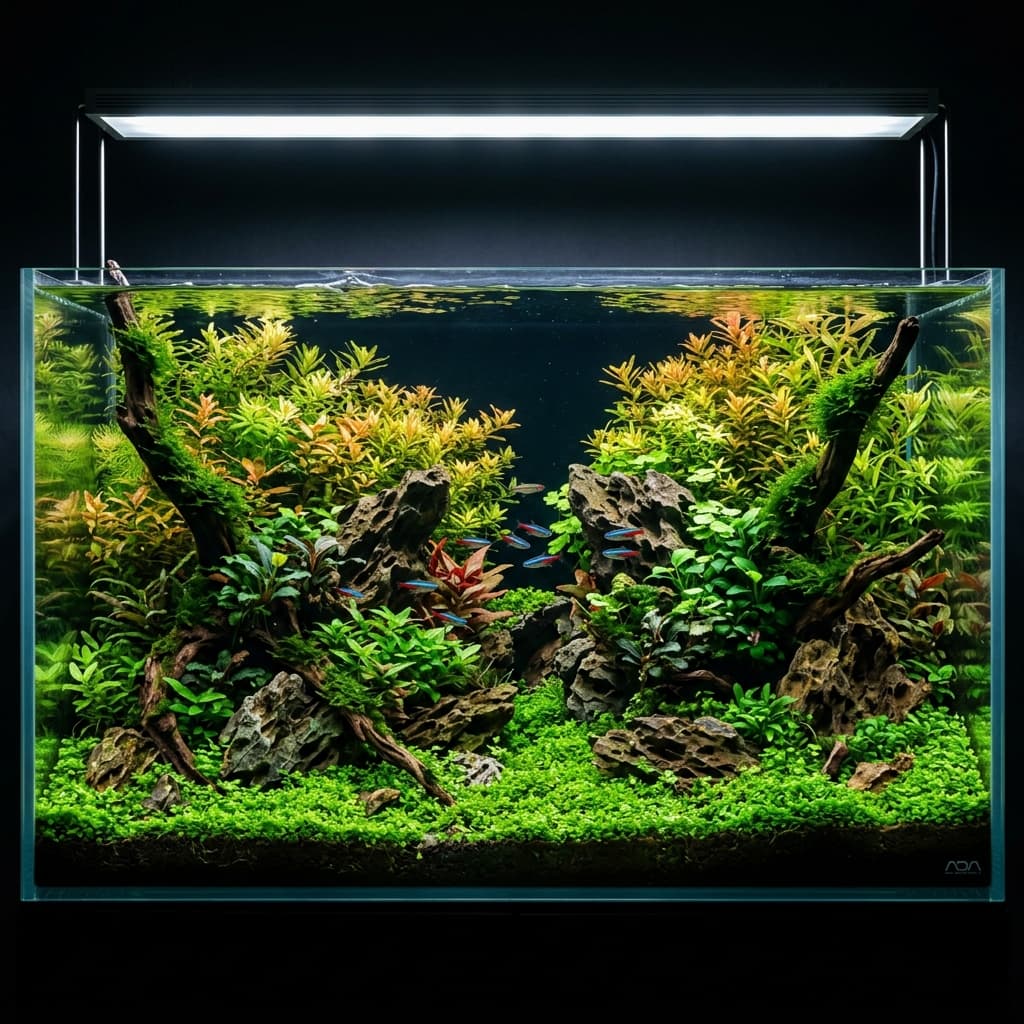
Setting up a planted aquarium is one of the most rewarding projects in the hobby. A well-designed planted tank creates a living ecosystem that's beautiful, calming, and surprisingly low-maintenance once established. This guide walks you through every step.
1. Choose Your Tank Size
For beginners, we recommend a 20-gallon (75L) tank as the sweet spot. Larger tanks are actually easier to maintain — more water volume means more stable parameters. Avoid anything under 10 gallons for your first planted setup.
2. Substrate: The Foundation
Your substrate is the most important decision. Use an active substrate like ADA Aqua Soil or Tropica Aquarium Soil for planted tanks. These provide nutrients directly to plant roots and buffer the water to a slightly acidic pH that most tropical plants prefer. Layer 2-3 inches (5-8cm) deep, with a slight slope from back to front.
3. Hardscape First
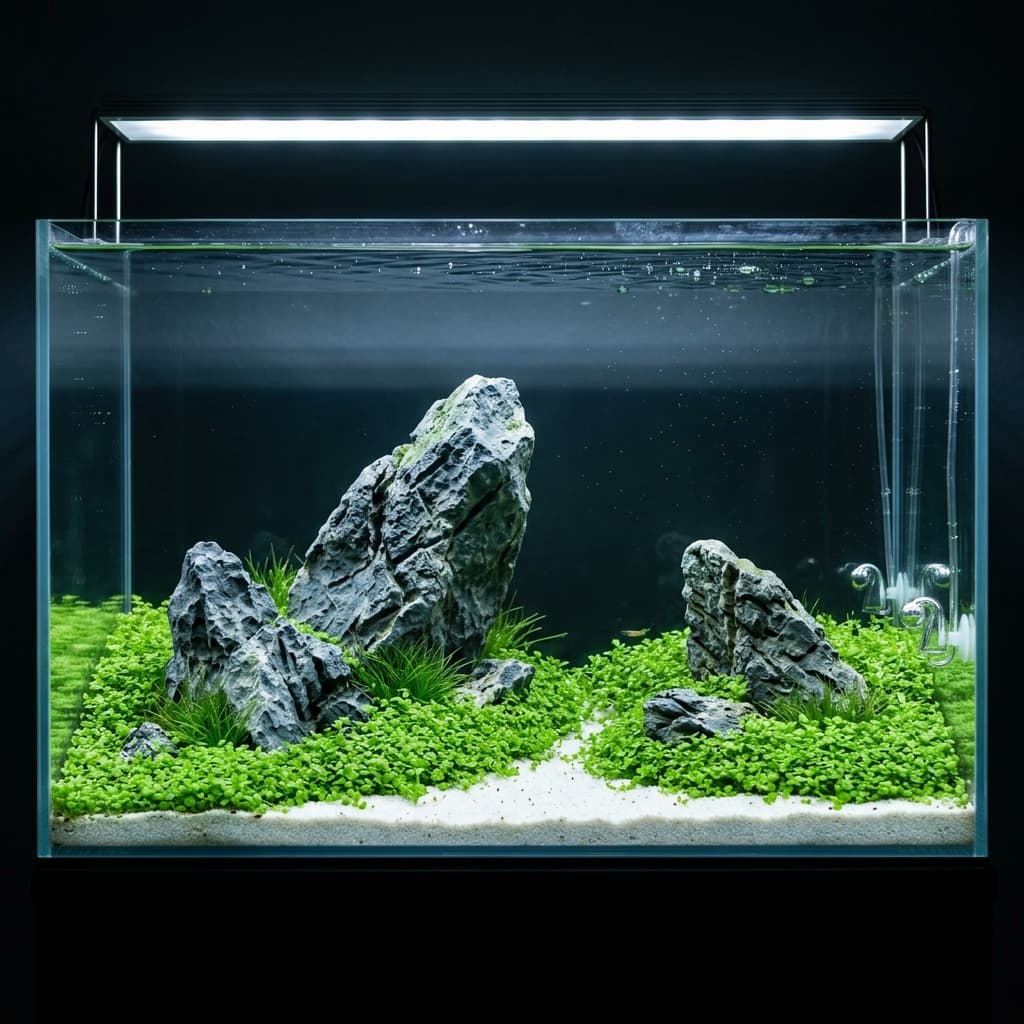
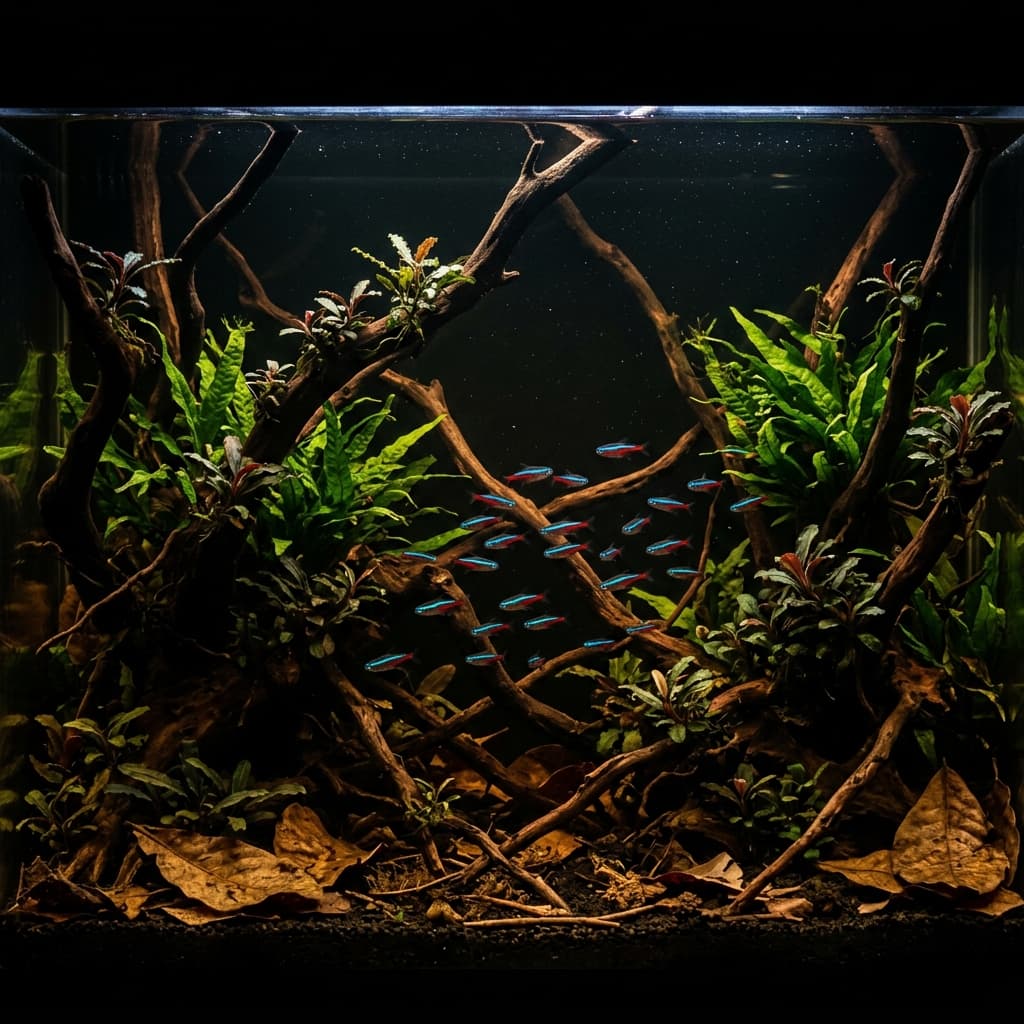
Place your rocks and driftwood before adding water. Follow the rule of thirds — place your focal point about one-third from either side, not dead center. Dragon stone, seiryu stone, and spider wood are excellent beginner-friendly options. Build height at the back, keep the foreground open.
4. Plant Selection for Beginners
Start with hardy, low-demand species: Anubias, Java Fern, Cryptocoryne, and Bucephalandra are nearly indestructible. For carpeting, Monte Carlo is more forgiving than Dwarf Hair Grass. Stem plants like Rotala and Ludwigia grow fast and help absorb excess nutrients during the cycling phase.
5. Lighting
For a low-tech planted tank, aim for 6-8 hours of light per day. Too much light causes algae. Use a timer — consistency matters more than intensity. LED fixtures from Fluval or Chihiros offer excellent spectrum and efficiency.
6. Filter & Flow
A canister filter or quality HOB (hang-on-back) works well. Aim for 4-6x your tank volume in flow rate per hour. Plants need gentle circulation to receive CO₂ and nutrients, but avoid blasting them with too much current.
7. Cycling & First Water Change
Fill the tank, turn on the filter and lights, and let it cycle for 2-4 weeks before adding fish. Do 50% water changes every other day for the first week to manage ammonia spikes from the substrate. After week 2, reduce to 30% weekly. Your patience here prevents algae problems later.
8. Maintenance Schedule
Weekly: 25-30% water change, trim overgrown stems, wipe algae from glass. Monthly: clean filter media (in tank water, never tap water), dose root tabs if using inert substrate. That's it — a planted tank practically takes care of itself once established.