Bonsai Care for Beginners
Everything you need to know to keep your first bonsai alive — watering, light, soil, and seasonal care.
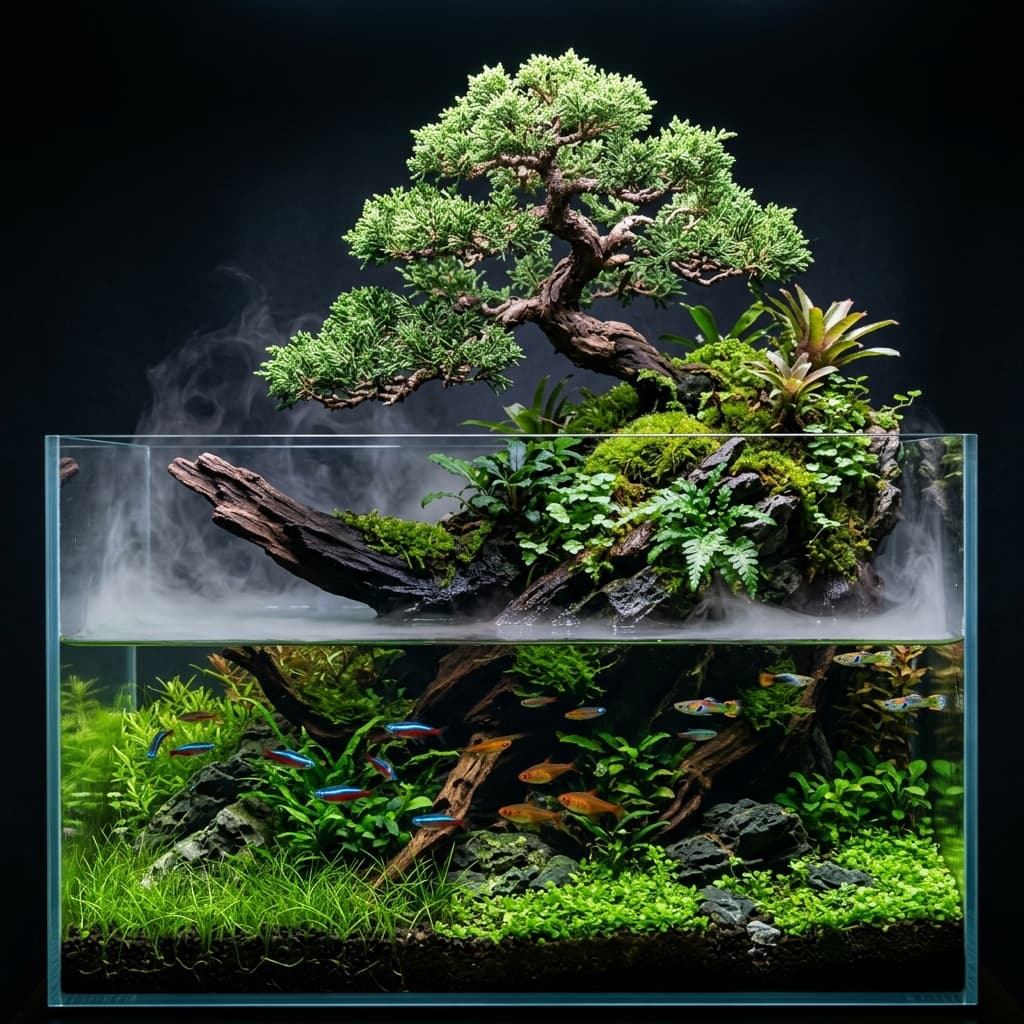
Bonsai isn't about growing a small tree. It's about growing a tree in a small pot — and that distinction changes everything. The confined root space, controlled growth, and deliberate shaping require a different approach than houseplants or garden trees.
Watering: The #1 Cause of Death
More bonsai die from improper watering than any other cause. The rule: water when the top 1cm of soil feels dry. Never on a fixed schedule. In summer, that might mean daily. In winter, every 3-4 days. Water thoroughly until it runs out the drainage holes. Bonsai pots must always have drainage.
Light Requirements
Most bonsai need at least 4-6 hours of direct sunlight daily. Junipers, Maples, and Pines are outdoor trees and need full sun. Ficus, Chinese Elm, and Jade can grow indoors near a bright south-facing window. If you're in a low-light apartment, supplement with a grow light.
Soil & Repotting
Bonsai soil is not potting soil. Use a mix of Akadama, pumice, and lava rock — this provides the drainage and aeration bonsai roots need. Repot every 2-3 years in spring, pruning back 1/3 of the root mass. This is how you keep the tree healthy in a small pot.
Fertilizing
Bonsai depend on you for all their nutrients. Use a balanced liquid fertilizer every 2 weeks during the growing season (spring through fall). Reduce or stop in winter. Organic fertilizers like BioGold pellets are popular and provide slow-release nutrition.
Canadian Winters
Outdoor species (Juniper, Pine, Maple) need a cold dormancy period but can't survive unprotected in Alberta winters. Move them to an unheated garage, cold frame, or bury the pot in mulch. They need cold (0-10°C) but not deep freeze. Indoor species stay inside year-round.