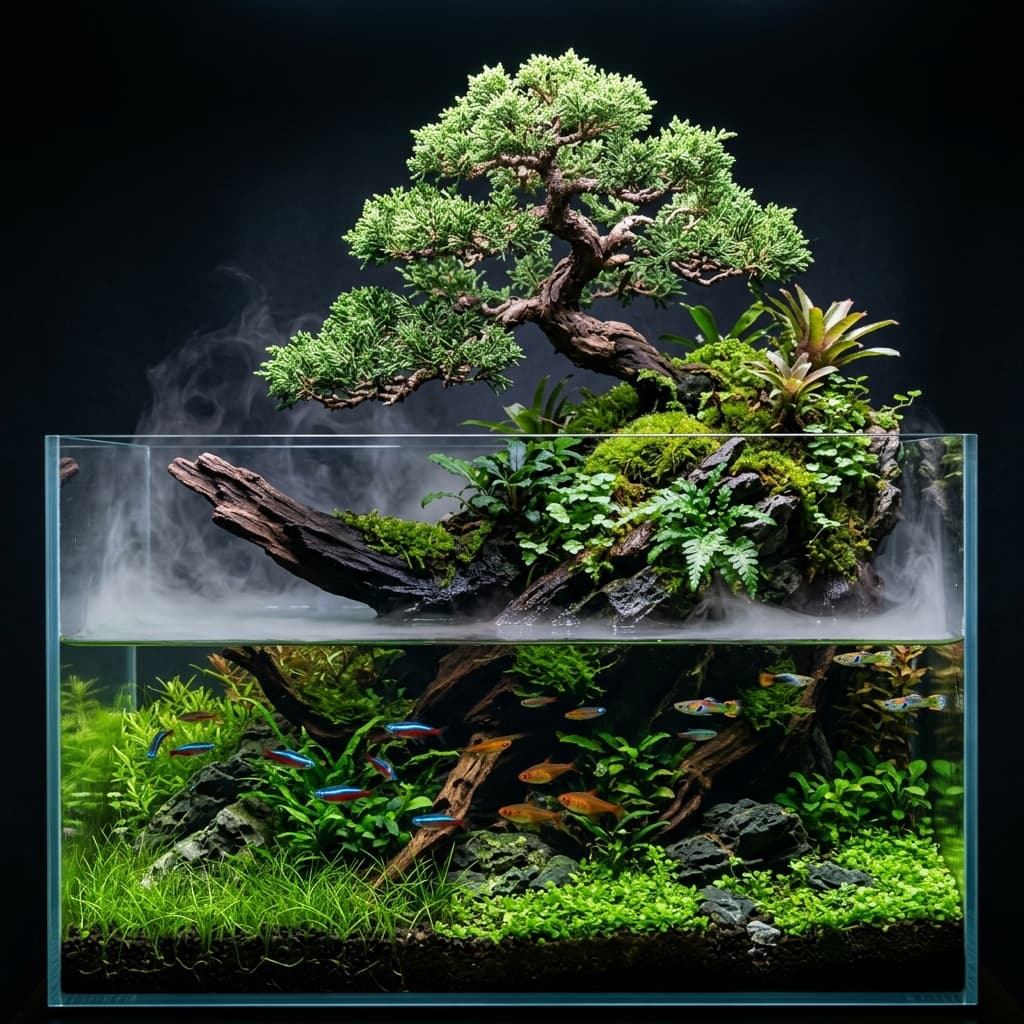
Indoor vs Outdoor Bonsai
Which species thrive inside, which need to live outside, and how to tell the difference.
The most common mistake in bonsai: keeping an outdoor tree indoors. Most bonsai are temperate species that need seasonal changes, cold dormancy, and direct sunlight. Indoor bonsai are tropical species that can tolerate the consistent warmth of a heated home.
Outdoor Species
Juniper, Japanese Maple, Pine (Black, White, Scots), Larch, Chinese Elm (semi-deciduous), Azalea, and Beech. These trees need full sun, natural seasonal cycles, and a winter dormancy period at 0-10°C. They will slowly die indoors over 1-2 years, even in a bright window.
Indoor Species
Ficus (all varieties), Jade (Portulacaria afra), Fukien Tea, Schefflera, Money Tree (Pachira), and Tropical Chinese Elm if kept warm. These tolerate indoor conditions — lower light, stable temperatures, no dormancy needed. Place them near your brightest window and supplement with grow lights if necessary.
The Canadian Factor
Canadian winters pose a unique challenge. Outdoor bonsai need cold but can't survive -30°C unprotected. Solutions: unheated garage (best), cold frame, buried in mulch up to the first branch, or a sheltered balcony with wind protection. The key is maintaining 0-10°C — cold enough for dormancy, warm enough to prevent root freeze.